

During the India-Pakistan Conflict of 2025 the Pakistani Air Defence system played an important role in protecting Pakistani Airspace against a variety of aerial threats including Indian fighter aircraft, cruise missiles and unmanned aerial vehicles (UAVs). Through a swift and coordinated response Pakistan’s air defence units minimized damage to critical infrastructure that could have otherwise been very severe if not effectively countered.
To address medium and long-range aerial threats Pakistan’s integrated air defence network comprises different surface-to-air (SAM) systems including the Chinese origin HQ-9 series (HQ-9BE, HQ-9/P, FD-2000) for long-range surface-to-air defense and the HQ-16 series (HQ-16EF, LY-80, LY-80/EV) for medium-range coverage along with the Italian-origin Spada 2000 surface-to-air missile system. Throughout the conflict Pakistan’s air defence batteries and anti-aircraft artillery remained on high alert. Key air defence units successfully intercepted and neutralized multiple aerial intrusions, minimizing damage to critical infrastructure and maintaining the country’s aerial sovereignty.
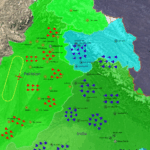
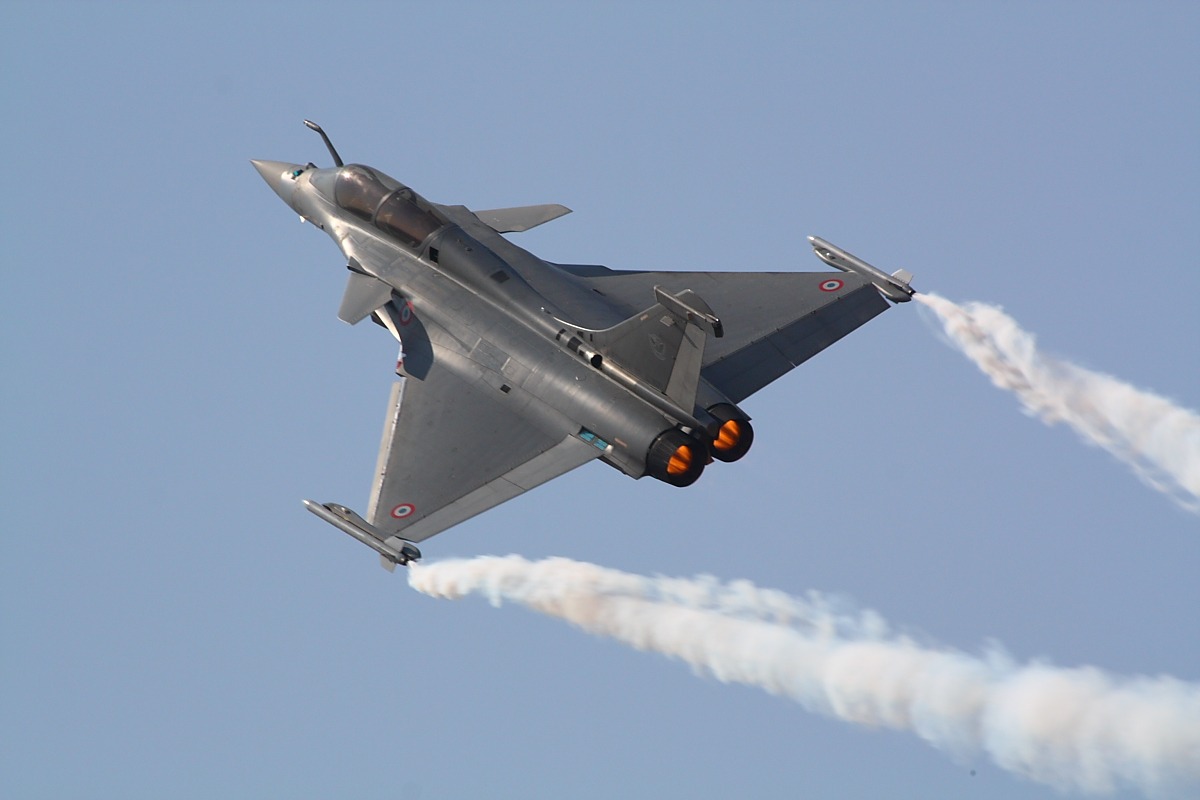
On the night of 6/7 May 2025, Indian Air Force launched a coordinated attack across multiple sectors along the Line of Control (LoC) and the international border in an operation codenamed ‘Sindoor’. Reportedly the operation involved approximately 72 Indian fighter jets including 14 Dassault Rafale multirole fighters, along with Su-30 MKIs, MiG-29s, and Mirage-2000s that were organized into four distinct attack formations.
These formations were equipped with SCALP-EG stealth cruise missiles, BRAHMOS and Rampage supersonic missiles and HAMMER glide bombs with the task of executing a standoff missile strikes at predetermined targets located inside mainland Pakistan and Pakistani-administered Kashmir. Learning lessons from the 2019 India-Pakistan standoff during which India lost a MiG-21 Bison and a Su-30MKI, Indian Air Force decided not to cross the Line of Control (LoC) or the international border likely due to concerns over Pakistan Air Force’s aerial dominance and quick response capabilities.
In response, mobile radar units of Pakistan’s integrated air defence system quickly tracked the incoming threats. LY-80 and HQ-9/P batteries in forward-deployed positions were ordered to engage. According to Pakistani military officials a Su-30MKI fighter fighter jet and a Heron UAV of the Indian Air Force were successfully targeted and shot down by the HQ-9 system during this attack. A senior Indian analyst also reported downing of Indian Airforce aircraft by Pakistani air defense system on the night of 6/7 May.
A senior retired Indian Army general has assessed that any aircraft losses are more likely to have come from the Chinese-origin HQ-9 system than the PL-15.
Stimson Center
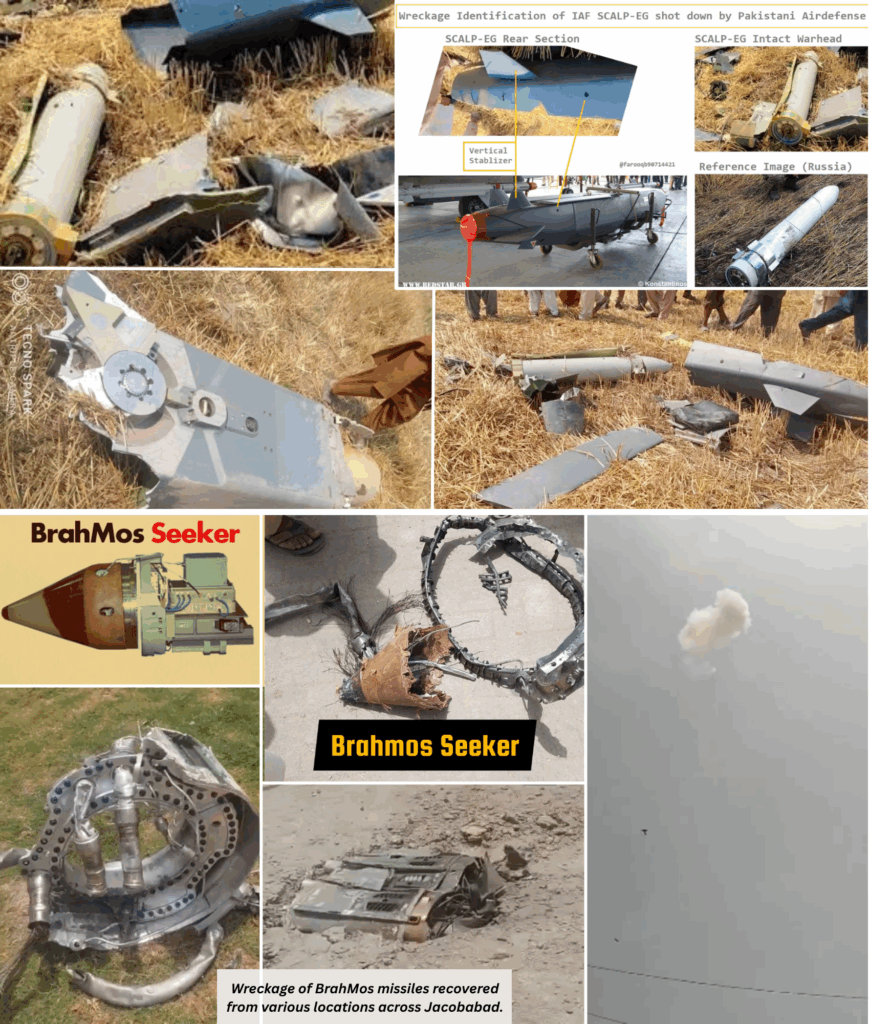
While Indian military officials claimed to target nine locations inside Pakistan using a strike package of approximately 72 aircraft, but only six of the targeted locations were actually hit receiving a total of 24 impacts. Although these strikes caused significant damage and resulted in multiple civilian casualties, but Pakistan’s air defence successfully intercepted numerous Indian projectiles including BrahMos and SCALP-EG air-launched missiles reducing the overall impact of the attack.
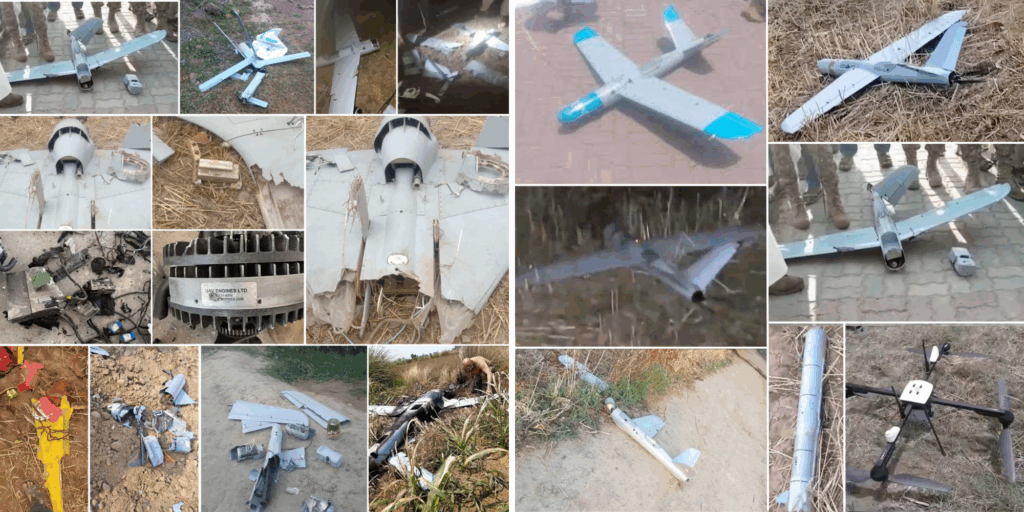
From May 7 to 10, India launched multiple waves of FPV drone strikes, employing a variety of platforms including Israeli-made Harop, Polish Warmate and various indigenous loitering munitions and missiles to strike targets inside Pakistan. Of these, at least 85 drones were successfully intercepted by air defence units of the Pakistan using anti-aircraft artillery and electronic warfare (EW) systems. These Indian drone strikes largely failed with minimal damage on Pakistani side.
The electronic warfare units of Pakistani air defence successfully brought down multiple fully intact Indian drones through soft-kill techniques including Warmate loitering munitions, hexacopters, and UAV-launched munitions.
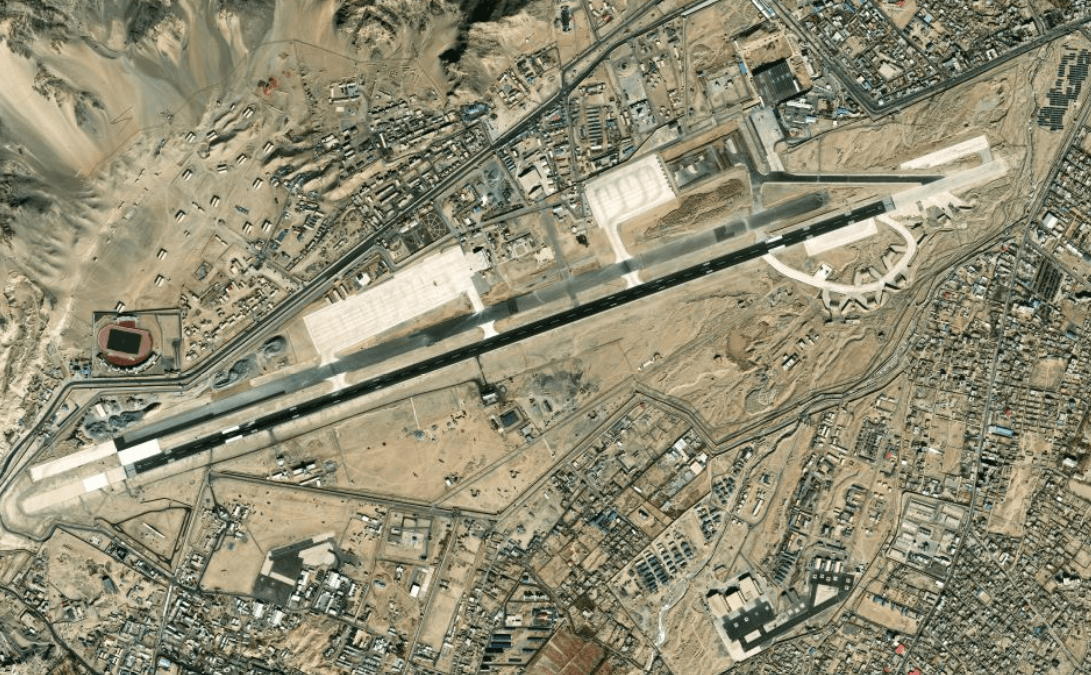
May 10 marked the peak day of the conflict as Indian Air Force in coordination with the Indian Army launched another wave of missile strikes at multiple targets including airbases and radar installations. Indian sources claimed to have destroyed thirteen Pakistani airbases and radar sites, including Noor Khan, Rafiqui, Murid, Sukkur, Sialkot, Pasrur, Chunian, Sargodha, Skardu, Bholari, Jacobabad, Rahim Yar Khan and Malir Cantt. However, only five airbases of PAF and a civilian airport used by the royal family of the UAE sustained actual hits.
The most significant damage occurred at PAF Base Bholari where an aircraft hangar was hit causing minor damage to an aircraft. Additional strikes included two impacts on the runway at Sargodha Airbase, damage to the control tower at Jacobabad Airbase, one impact on an unoccupied area of Murid Airbase, a single strike at Noor Khan Airbase causing no significant damage and one impact on the runway of Rahim Yar Khan Airport.
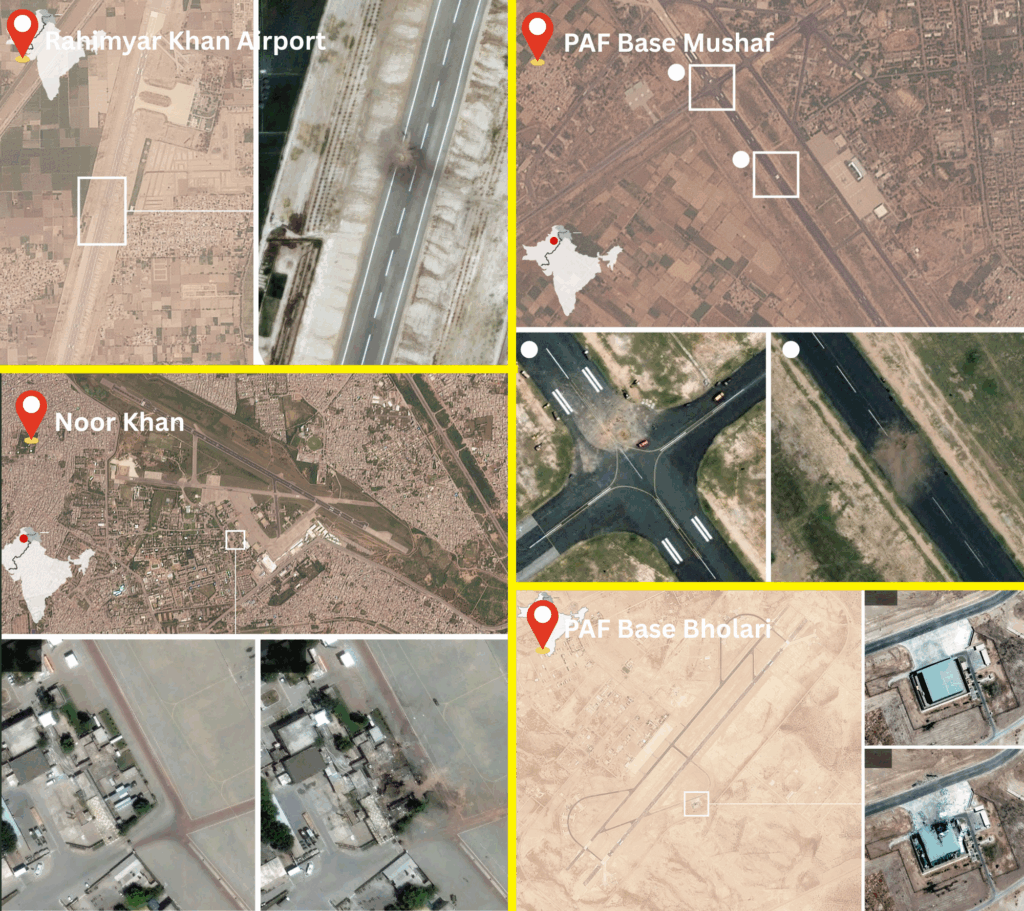
This was a larger and more coordinated joint missile strike by Indian Airforce and Indian Army compared to the attacks on May 7, with a total of 13 locations targeted. However, only six of these targeted locations got actual hits and the majority of the incoming missiles were successfully intercepted by Pakistan’s integrated air defence system and India failed to achieve any strategically significant outcomes. All the airbases that were hit remained operational shortly after the attacks on May 10.
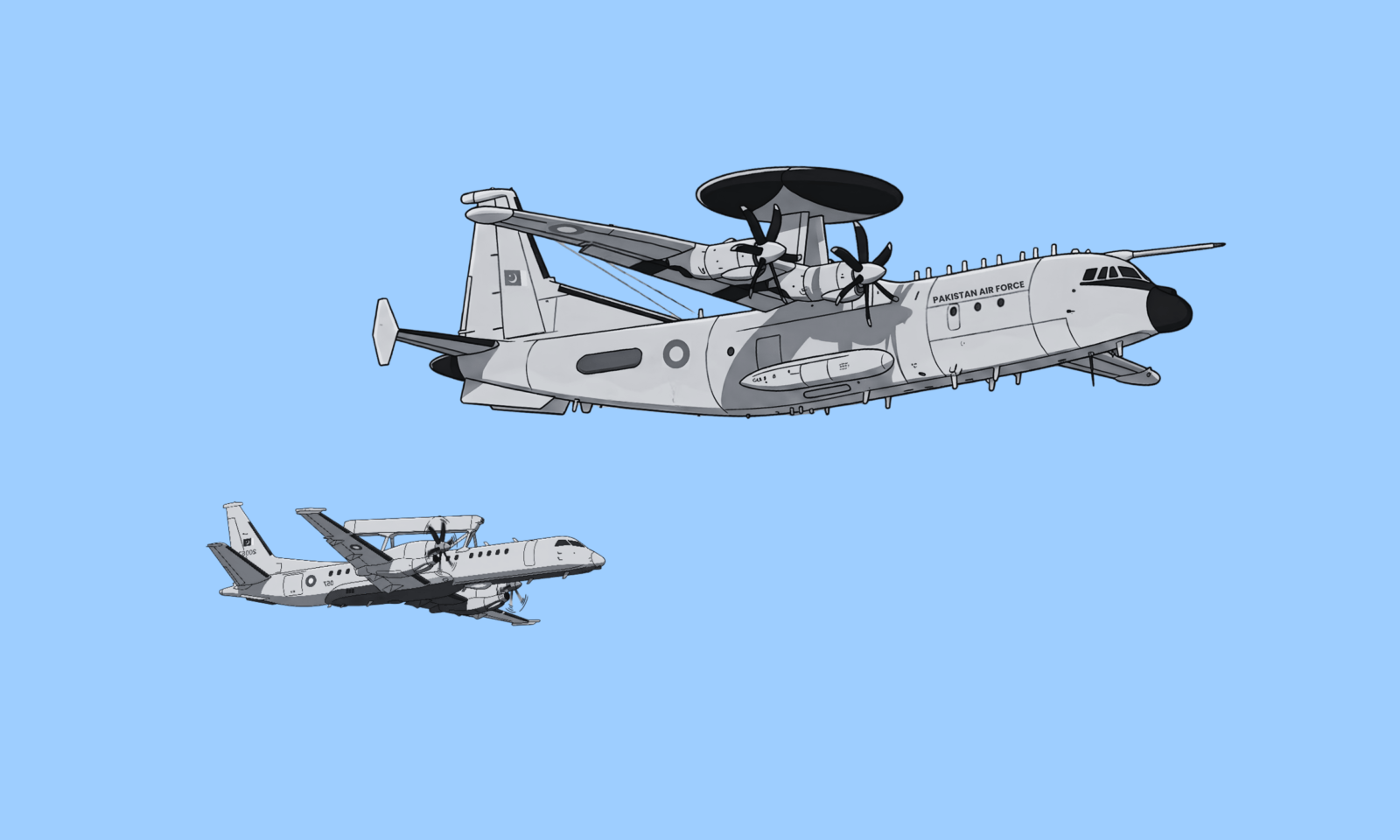
Despite possessing one of the most advanced air defence systems in the world, Israel faced a significant breach on October 1, 2024, when Iran launched a missile strike targeting key Israeli airbases. Nevatim Airbase sustained over 30 impacts during the attack. Notably a runways and a taxiway of the airbase was struck and two hangars housing Gulfstream G550 AEW&C aircraft suffered severe damage. However, despite the scale of the assault Iran failed to inflict any strategic damage and Nevatim Airbase resumed operational status the same night.
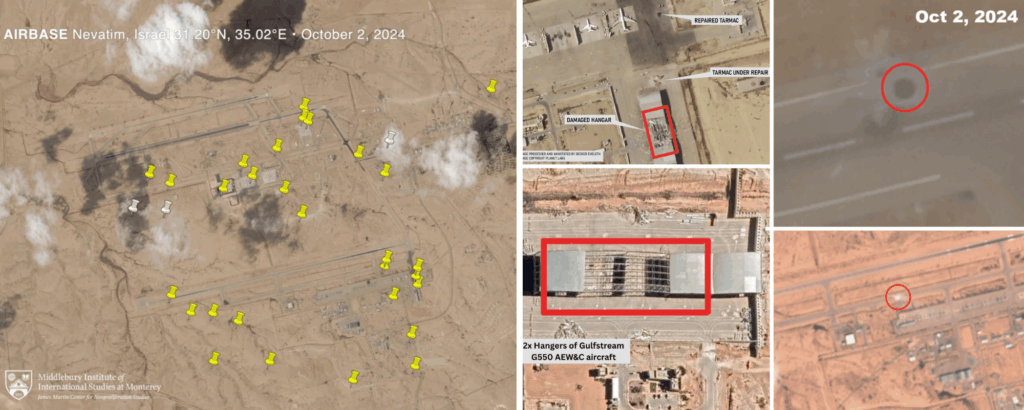
In contrast, during recent hostilities Indian military employed its top-tier supersonic missiles to strike targets inside Pakistan. Yet much like the Iranian strike Indian operation also failed to achieve any significant strategic outcome.
The deployment of long and medium-range surface-to-air missile (SAM) systems including the HQ-9, HQ-16 and Spada 2000 alongside electronic warfare (EW) assets and ground-based radar networks significantly enhanced Pakistan’s air defence posture. Pakistan Army’s Air Defence Command operating in close coordination with the Pakistan Air Force maintained a robust rapid-response capability that effectively countered multiple attempted air strikes by Indian forces throughout the conflict.
Pakistan’s air defence network does exhibit certain gaps, particularly in the short-range domain. There is a pressing need for the induction of modern Short-Range Air Defence Systems (SHORADS), advanced Close-In Weapon Systems (CIWS), and dedicated counter-UAV solutions to effectively address emerging low-altitude aerial threats.