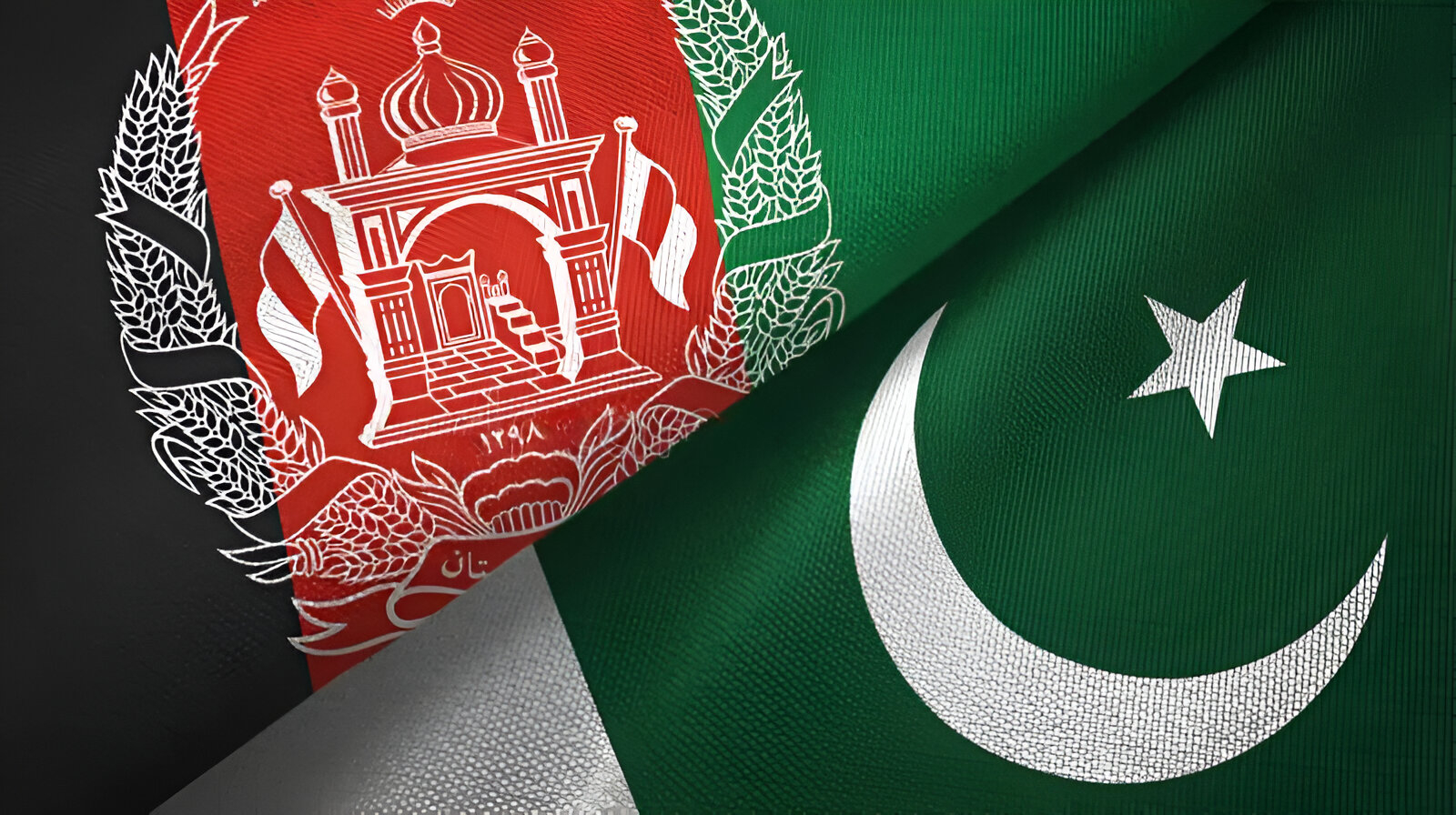

The relationship between Pakistan and Afghanistan is often described as Complex and
Unstable. Many people refer Afghans as our Brothers, bound by faith, culture and history but a look at the past eight decades shows a pattern of conflict, territorial disputes and Proxy warfare initiated by the Afghan side that makes us question the true nature of this so-called brotherly relationship.
Diplomatic Tensions and Proxy Conflicts (1947–1978)
Following Pakistan’s independence in 1947, most of the international community swiftly recognized the newly established Pakistani state however, Afghanistan stood as the sole country to oppose its creation and persistently opposed Pakistan at regional and international forums. Kabul voted against Pakistan’s admission to the United Nations and initially refused to recognize Pakistan’s borders, specifically the Durand Line due to its territorial claims over large parts of Pakistan’s northwestern and southwestern regions. These claims included regions inside Khyber Pakhtunkhwa, Balochistan, Punjab, Sindh, former tribal areas (FATA) and Gilgit-Baltistan.
In December 1947, when India intervened in the Kashmir Valley, Afghan forces initiated skirmishes along Pakistan’s western borders to exert pressure and exploit the situation. Although Afghanistan later withdrew its negative vote and established diplomatic relations with Pakistan in 1948, but it continued to interfere in Pakistan’s internal affairs and started supporting “Azad Pashtunistan” movement. Afghanistan’s territorial claims and backing of the Pashtunistan movement laid the foundation of decades-long mistrust and set the tone for a contentious relationship between Pakistan and Afghanistan.
In continuation of this policy, Afghanistan became the first country to employ proxy groups against Pakistan. In 1949, it began supporting Pashtun nationalist movements such as the Khudai Khidmatgar (Red Shirts) and the Pashtun National Awami Party in an effort to create instability within Pakistan. That same year, Afghan authorities established ties with Mirza Ali Khan of the Mehsud tribe, whose group launched attacks against Pakistani forces with the objective of either establishing an independent Pashtunistan or merging these areas with Afghanistan. Furthermore, between 1950 and 1951, Afghan forces regularly shelled villages in Chaghi district of Balochistan, resulting in civilian casualties. In a major incident in May 1951, they attacked the Dobandi village in Balochistan capturing a key railway line connecting Quetta to Zahedan (Iran) in an attempt to disrupt Pakistan’s transportation network. These actions were part of a broader campaign to pressure Pakistan into recognizing Pashtunistan and supporting Baloch separatism.
On October 16, 1951, Pakistan’s first Prime Minister Liaquat Ali Khan, was assassinated by a 29-year-old Afghan national named Sayyed Akbar Khan. On February 29, 1955, Afghan mobs attacked Pakistani diplomatic missions in Kabul and Jalalabad, burning the Pakistani flag and damaging consulate buildings. These attacks led to a severe breakdown in diplomatic relations between the two countries.
In late 1960 and early 1961, Under the leadership of Prime Minister Mohammed Daoud Khan the Afghan government launched an offensive campaign against Pakistan in an attempt to annex the Pashtun-majority regions along the border. A large buildup of Afghan troops, supported by tanks and artillery, was observed along the Pak-Afghan border. Subsequently, thousands of Afghan soldiers, disguised as local tribesmen crossed into the Bajaur Agency. Pakistan Army launched a coordinated counteroffensive, responding swiftly and decisively to Afghan aggression. Pakistan Air Force along with Pakistan Army conducted precise air and ground strikes against Afghan positions and infiltrator strongholds, effectively neutralizing enemy fire points and disrupting their supply routes. Pakistani forces decisively pushed the Afghan troops back across the border, inflicting severe casualties and extensive material losses that forced Kabul to accept an unconditional withdrawal.
During 1970s, under King Zahir Shah’s rule, the Afghan government launched a fullscale propaganda campaign for Pashtunistan to challenge Pakistan’s territorial integrity. To intensify this effort, the Afghan authorities announced that government publicity institutes would expand their coverage of Pashtunistan-related issues. Accordingly, three dedicated committees (a central supervisory committee, a radio subcommittee, and an administrative committee) were established to oversee editorial direction, manage radio broadcasts and control the allocation of financial resources for the campaign. Official Afghan state media including Radio Kabul, beamed propaganda in Pashto targeting Pashtun populations in Pakistan’s frontier regions.
In 1973 after coming to power through a coup, President Mohammad Daud Khan of Afghanistan began extending training, weapons and logistical assistance to Baloch and Pashtun militant groups operating within Pakistan. This policy was part of a broader strategy to destabilize Pakistan by exploiting separatist movements among its ethnic minorities, particularly in Balochistan and the North-West Frontier Province (now Khyber Pakhtunkhwa). Afghan-backed proxies launched a series of cross-border subversive activities and bomb attacks across Pakistan during the mid-1970s. One of the most significant of these incidents occurred on February 8, 1975, when a powerful explosion at a student union meeting at the University of Peshawar killed Hayat Muhammad Sherpao, former Governor of Khyber Pakhtunkhwa and vice-chairman of Pakistan People’s Party. The attack was carried out by Afghan-backed militants affiliated with Pashtun Zalmay, a radical organization comprising both Pashtun and Baloch elements that maintained direct contacts with Kabul.
Soviet Invasion & Afghan Civil War (1979–2001)
In 1979, the Soviet invasion of Afghanistan marked a major turning point in regional geopolitics. Despite Afghanistan’s previous hostilities toward Pakistan, the government of General Muhammad Zia-ul-Haq firmly opposed the Soviet occupation and extended comprehensive support to the Afghan resistance. However, this policy brought immense humanitarian and security challenges, as millions of Afghan refugees crossed into Pakistan, placing a severe strain on the country’s economy and infrastructure.
Despite Pakistan’s hospitality and its pivotal role in supporting the Afghan struggle against the Soviet Union, the threat from across the border persisted. The Pakistan Air Force (PAF) remained on constant high alert, intercepting multiple attempts by Afghan and Soviet aircraft to bomb refugee camps and border installations inside Pakistan. The situation grew so precarious that the PAF was required to provide air escorts to civilian aircraft operating over the northwestern frontier.
Following the Soviet withdrawal in 1989, tensions once again escalated between Pakistan and the Afghan regime led by President Mohammad Najibullah. Despite Pakistan’s hospitality to millions of Afghan refugees during the Soviet–Afghan War, the goodwill did not last long. In a series of hostile actions, Afghan forces under Najibullah’s command launched several Soviet-supplied SCUD missiles targeting Pakistan’s border regions with Afghanistan. Most of these missiles struck areas in the tribal belt and parts of Khyber Pakhtunkhwa and Balochistan, including Torkham, Bannu, and Bajaur, causing civilian casualties and property damage. Though the attacks failed to achieve any strategic impact, but marked a severe escalation in hostilities and a sharp decline in bilateral relations, demonstrating Kabul’s intent to intimidate Pakistan.
The Soviet–Afghan War (1979–1989) and the subsequent Afghan Civil War of the 1990s brought millions of refugees including militant elements, radical ideologies and a flood of weapons into Pakistan which contributed to Pakistan’s growing internal security challenges.
U.S. Invasion & Emergence of TTP (2001–2021)
The U.S.-led invasion of Afghanistan in 2001 further intensified this instability, as Taliban and Al-Qaeda fighters sought refuge in Pakistan’s tribal areas. In the mid-2000s, the Pakistani military entered the Federally Administered Tribal Areas (FATA) to eliminate foreign militants. In reaction to these operations, former Afghan jihad veterans and militants united under the leadership of Baitullah Mehsud, forming the Tehrik-i-Taliban Pakistan (TTP) or or Pakistani Taliban in December 2007 as an umbrella organization of nearly 40 militant groups. The emergence of TTP was the outcome of a far more complex set of factors rooted in decades of regional conflict and political upheaval. Closely linked to the Afghan Taliban, the TTP evolved into a major threat to Pakistan’s national stability and sovereignty.
The Tehrik-i-Taliban Pakistan (TTP), with long-standing sanctuaries in Afghanistan and support from the Afghan Taliban, has waged a violent insurgency against Pakistan. The group has targeted both military and civilian populations through suicide bombings, improvised explosive devices (IEDs) attacks and targeted killings. One of its most horrific attacks was the 2014 Army Public School massacre in Peshawar which claimed the lives of about 150 people, most of them were children. The TTP claimed the attack was in retaliation for Operation Zarb-e-Azb, which was the Pakistani military’s campaign against militant strongholds in the tribal areas.
The group’s leadership, including Baitullah Mehsud and Hakimullah Mehsud had deep-rooted ties to elements within the Afghan Taliban, including the Haqqani network. Baitullah Mehsud fought alongside the Afghan Taliban in the 1990s and was appointed governor of a tribal area by then Afghan Taliban leader Mullah Omar. The TTP’s leadership and fighters have long utilized hideouts and safe havens in Afghanistan, particularly in areas near the Pakistani border to plan, organize and launch cross-border attacks.
Post U.S. Withdrawal & TTP Resurgence (2021–Present)
Following the U.S. withdrawal from Afghanistan and the Afghan Taliban’s return to power in 2021, the TTP has experienced a significant resurgence. Pakistan is facing a new deadly phase of conflict with the TTP, with a sharp increase in cross-border attacks. The Afghan Taliban freed hundreds of TTP and other extremist prisoners and provided them with advanced weapons left behind by U.S. forces. According to recent reports, an estimated 6,000 to 6,500 well-trained TTP militants are currently taking shelter and receiving training inside Afghanistan. The Afghan Taliban’s victory inspired the TTP to accelerate its own violent campaign. TTP’s use of Afghan territory as a base of operations remains a major point of contention and a primary cause of mistrust between the two countries. Despite Islamabad’s repeated requests, Afghan Taliban have so far refused to take any action against TTP citing their ideological solidarity with the group.
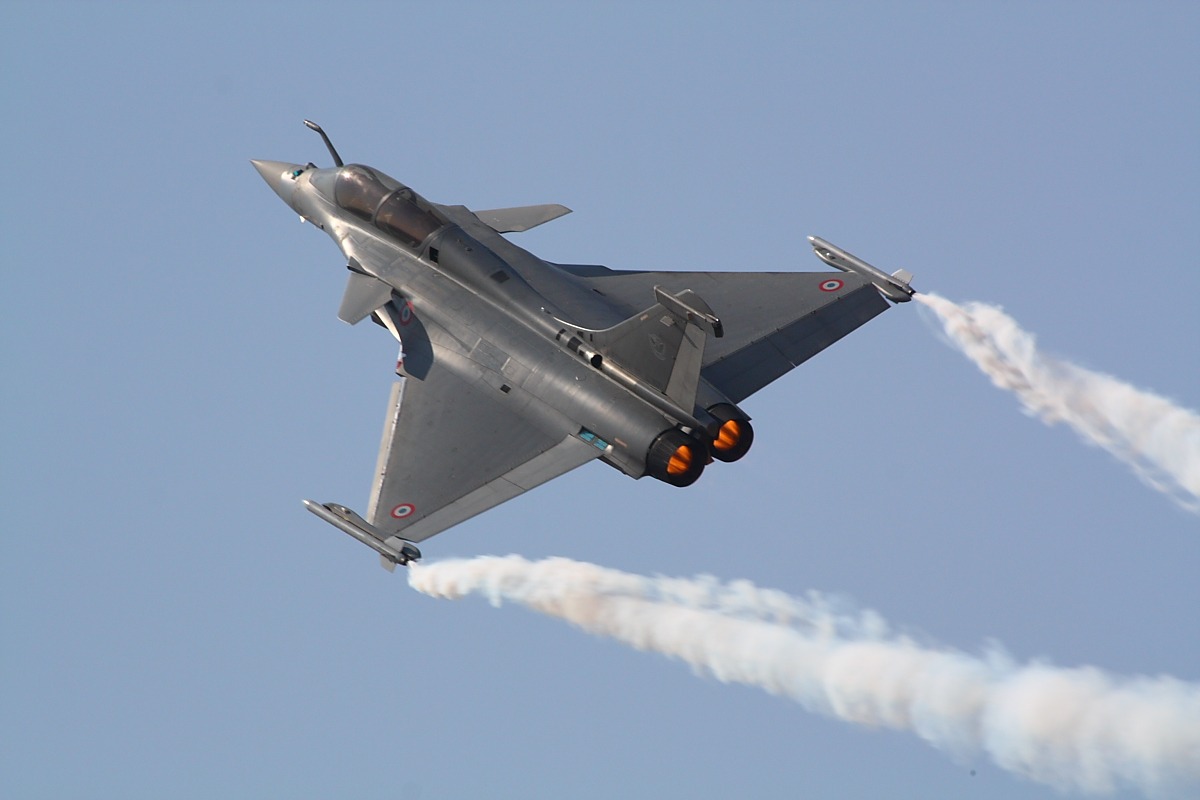
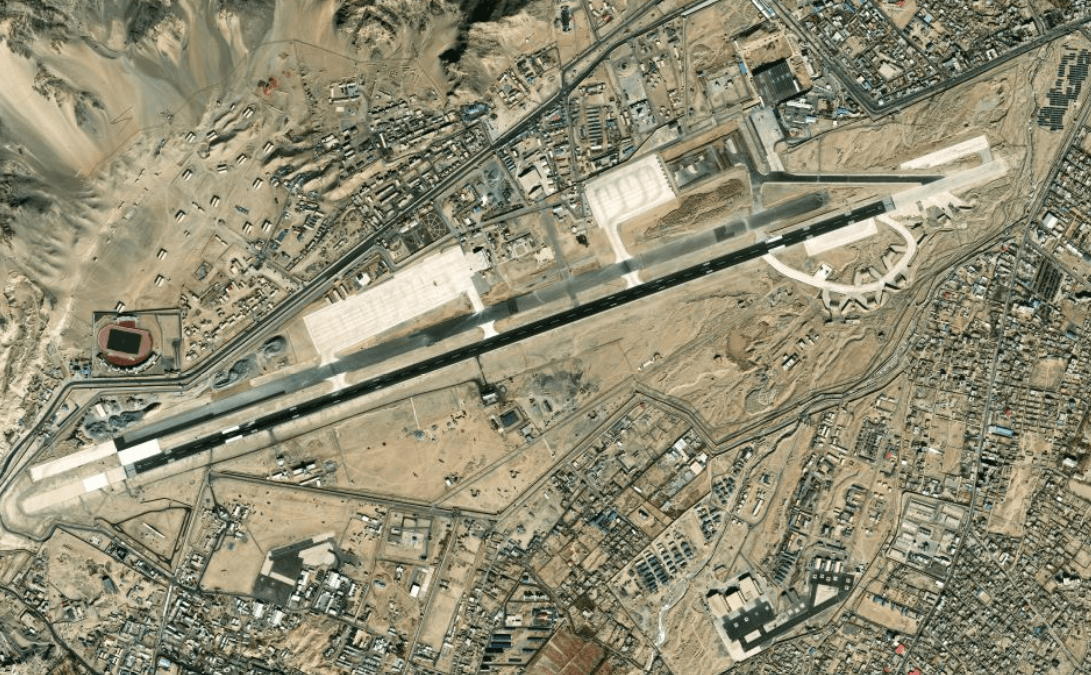
In recent days, cross-border attacks by TTP and Afghan Taliban fighters have intensified prompting Pakistan to take decisive military action against their hideouts inside Afghanistan. The Pakistan Air Force launched multiple airstrikes targeting multiple terrorist hideouts in Nangarhar, Kabul, Kandahar and several other provinces during which TTP Chief Noor Wali Mehsud was reportedly killed. Following these strikes, Afghan Taliban fighters attacked Pakistani border posts along the northern frontier, to which the Pakistan Armed Forces responded swiftly, capturing several Afghan Taliban positions. Subsequently, Qatar and Türkiye intervened diplomatically, urging both sides to agree to a ceasefire. Despite days of peace talks held in Doha and Istanbul, the discussions concluded without any workable solution toward resolving the tensions between Pakistan and Afghanistan. The Afghan Taliban remain unwilling to take concrete action against the Tehrik-i-Taliban Pakistan (TTP) despite repeated assurances.
Over the period of eight decades, Pakistan–Afghanistan relations have remained defined by mistrust, border tensions and proxy confrontations. While Pakistan has repeatedly extended political, economic and humanitarian support to Afghanistan, Afghan regimes have often pursued policies detrimental to Pakistan’s sovereignty and security. The persistence of territorial disputes, continued use of Afghan soil by anti-Pakistan militant groups and Kabul’s reluctance to act against anti-Pakistan elements continue to hinder the prospects of lasting peace. In response to these persistent challenges, Pakistan has now adopted a more strict approach, signaling its intent to safeguard its national security interests and deal kineticlay with both the Afghan Taliban and the Tehrik-i-Taliban Pakistan (TTP).