
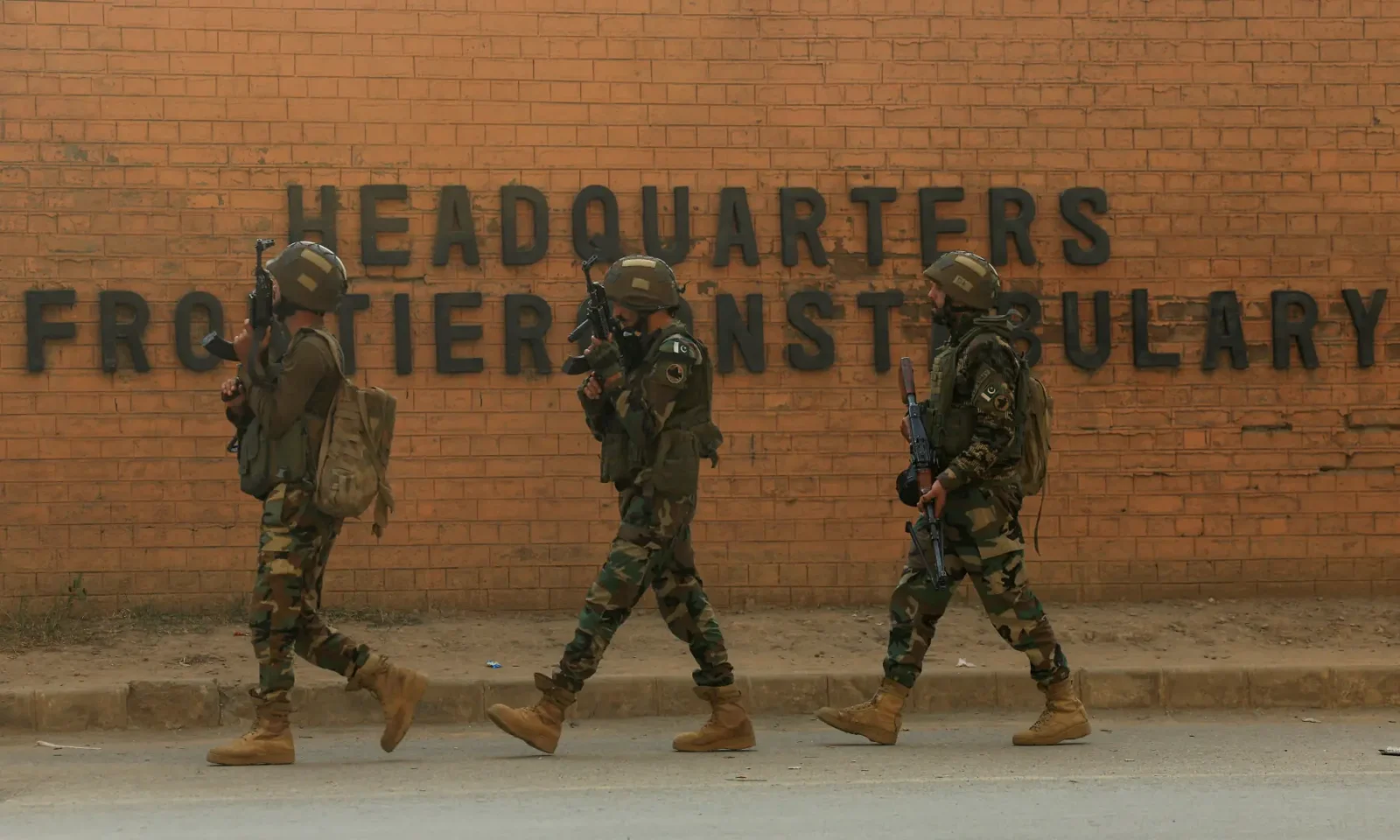

The recent attack on the FC Headquarters has once again exposed the nature of Pakistan’s evolving security landscape. The assault was carried out by Jamaat-ul-Ahrar (JUA), a splinter faction of the Tehreek-e-Taliban Pakistan (TTP). Formed after internal disputes with the TTP leadership between 2014 and 2016, JUA gradually transformed into a proxy force for the Afghan Taliban (TTA)—a tool used to conduct terrorism inside Pakistan while maintaining plausible deniability.
A Pattern of Violence
JUA is not a new name in Pakistan’s counterterrorism history. The group has been responsible for several high-impact attacks across the country:
• The Islamabad High Court blast two weeks ago
• The Cadet College Wana attack
• The 2014 Islamabad Judicial Complex attack
• The December 2022 Islamabad suicide bombing
• The Peshawar Police Lines mosque blast
From markets and schools to churches and mosques, JUA’s violence has never discriminated. Their operational signature is clear: maximum civilian casualties with maximum psychological impact.
Timing Is Not Accidental
One of the stark patterns in JUA’s attacks is their timing. Historically, the group escalates violence during politically sensitive periods or when negotiations are underway. The FC Headquarters attack coinciding with the presence of a Turkish delegation in Pakistan is no coincidence.
Such attacks serve as pressure tactics designed to push Pakistan back into fruitless negotiations and to manipulate diplomatic or internal political dynamics.
Safe Havens Across the Border
The most alarming aspect is the environment in which JUA operates. Despite repeated concerns raised by Pakistan, the group continues to enjoy unrestricted space in Afghanistan.
The Islamic Emirate of Afghanistan (IEA) has:
• Never denied JUA operational space
• Never restricted their movement
• Never distanced itself from the group
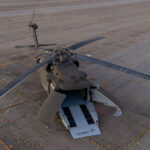
On the contrary, evidence has repeatedly surfaced showing coordination between JUA and Afghan Taliban elements. A widely circulated video from a few years ago even showed JUA leader Omar Mukkarram Khurasani travelling in a military helicopter alongside senior Afghan Taliban officials—a stark illustration of the depth of this relationship.
Recognizing the Real Enemy
The core issue is one Pakistan cannot afford to overlook:
The Afghan Taliban regime continues to serve as the umbrella under which TTP and its factions operate.
Pretending otherwise only prolongs the bloodshed. These groups do not act independently; they operate with cross-border facilitation, ideological alignment and operational support.
The Road Ahead for Pakistan
For Pakistan, survival and strategic stability depend on clear-eyed decisions. The state must:
• Maintain focus on counterterrorism objectives
• Conduct precise and sustained airstrikes against high-value targets
• Neutralize critical militant infrastructure across the border
• Disrupt the networks these groups rely on for movement, supplies and recruitment
Without decisive, uncompromising action, Pakistan will continue to face escalating violence and shrinking strategic spacr